Marketing - ID Card: A Strategic Tool for Modern Professional Identity
In the rapidly evolving landscape of professional networking, the standard business card is often relegated to a drawer or lost in a pile. However, when reimagined as a Marketing - ID Card, this small piece of material transforms into a powerful vehicle for brand storytelling and immediate credibility. This concept moves beyond simple contact information exchange, offering a structured approach to presenting identity that aligns with contemporary design standards. For professionals aged 20 to 50 who are evaluating their visual assets, understanding the distinct value of a modern ID card format is crucial for making informed decisions about their marketing materials.
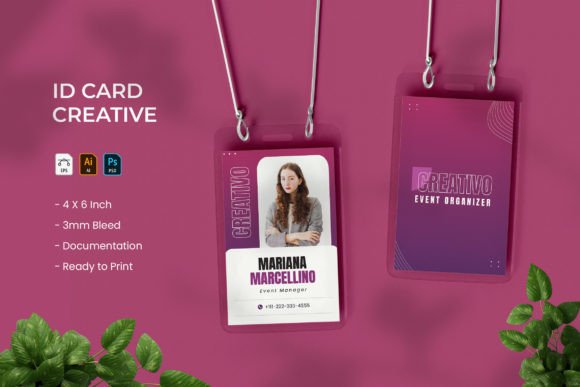
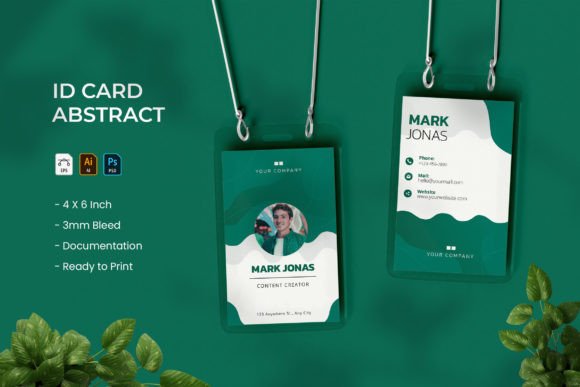
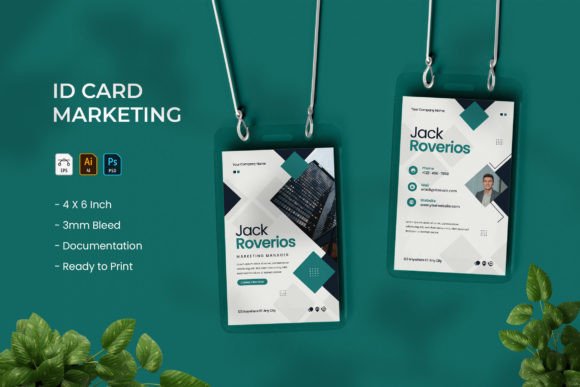
The core distinction of a Marketing - ID Card lies in its dual function as both an identification tool and a promotional asset. Unlike traditional cards that rely on generic templates, this approach emphasizes a fresh design philosophy where layout and typography work together to convey professionalism at a glance. The specific attributes described—such as the inclusion of two pages, high-resolution files, and full editability—suggest a product designed for versatility. Whether used as a corporate identification piece or a standalone promotional item, the goal is to create a tangible connection with potential clients through a modifiable, high-quality format.
Evaluating Design Flexibility and Customization
One of the primary factors professionals consider when selecting marketing collateral is the ease of customization. A static design might look impressive initially, but if it cannot be adapted to specific needs, its long-term utility diminishes. The Marketing - ID Card addresses this by offering fully editable layers within industry-standard file formats like AI, EPS, and PSD. This technical specification is significant because it allows users to modify text, swap images, and adjust color schemes without compromising the integrity of the original artwork.
For the practical user, this means that the card can evolve alongside their career. A graphic designer might use the base layout to create a personal portfolio card, while a corporate manager could utilize the same structure to generate employee badges or client welcome kits. The availability of modifiable content ensures that the "fresh design" mentioned in the product description is not just a one-time aesthetic choice but a sustainable strategy. When comparing this to pre-printed options found in local shops, the ability to control the final output becomes a major advantage, allowing for precise alignment with current branding guidelines.
The Importance of File Formats and Technical Specifications
When evaluating digital resources for print production, technical specifications often determine the success of the final product. The inclusion of CMYK color mode and 300 DPI resolution in the Marketing - ID Card package is essential for ensuring print quality. Many amateur designs fail because they are created in RGB (the screen standard) rather than CMYK (the print standard), leading to dull or shifted colors when physically produced. By providing files that are already optimized for printing, this resource removes a common barrier for non-designers.
Furthermore, the size of 4 x 6 inches offers a departure from the standard credit-card dimensions. While a smaller card is easier to carry, the larger format provides more real estate for information and visual impact. This tradeoff is worth considering depending on the target audience. If the goal is to leave a lasting impression during a presentation or to display detailed service offerings, the larger ID card serves as a mini-poster. However, for quick exchanges in crowded environments, the bulkier size might require a different carrying method. Understanding these physical constraints helps users decide if this specific dimension fits their workflow.
Comparing Marketing - ID Card with Traditional Alternatives
To make an informed decision, it is helpful to compare the Marketing - ID Card against other common identity solutions. The market offers several alternatives, each with its own set of strengths and limitations.
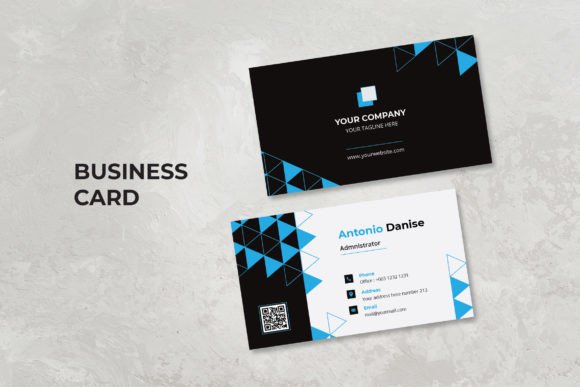
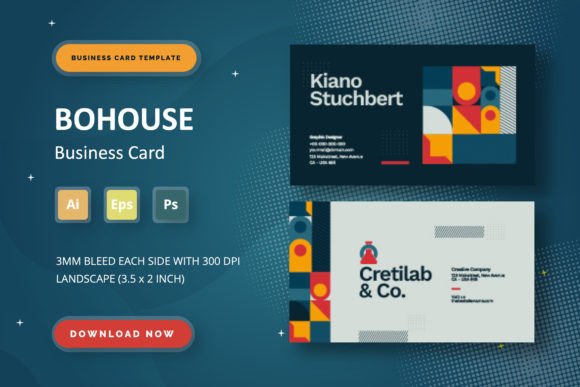
- Standard Business Cards: These are ubiquitous and cost-effective. They are ideal for high-volume distribution where the primary goal is simply to share contact details. However, they often lack the visual depth required to stand out in a competitive market. The Marketing - ID Card surpasses this by offering a creative layout that demands attention.
- Digital Contact Cards: QR codes and NFC chips offer a modern, eco-friendly alternative. They eliminate paper waste and allow for instant data transfer. Yet, they lack the tactile experience of a physical object. In industries where trust is built through face-to-face interaction, a well-designed physical card can still hold more weight than a digital link alone.
- Corporate Badges: Often used for security and access, these are functional but rarely serve a marketing purpose. The Marketing - ID Card bridges this gap by combining the formal look of an ID badge with the persuasive power of marketing copy and design.
The decision between these options often comes down to the specific context of the interaction. If a user is attending a large conference where hundreds of cards are exchanged, a unique, larger-format ID card might get lost in the shuffle unless the design is exceptionally striking. Conversely, for intimate meetings or client presentations, the Marketing - ID Card acts as a sophisticated prop that reinforces the brand's attention to detail.
Strategic Use Cases and Best-Fit Scenarios
Not every professional needs a custom-designed ID card, and recognizing the right time to invest in such a resource is part of effective marketing management. The Marketing - ID Card is particularly well-suited for roles that require a high degree of personal branding, such as consultants, freelancers, real estate agents, and creative directors. In these fields, the visual representation of one's work is as important as the work itself.
Consider a scenario where a consultant meets a potential client for the first time. Handing over a standard card conveys basic information. Handing over a professionally designed, two-page ID card that showcases services, testimonials, and a clear value proposition creates a narrative. It shifts the dynamic from a transactional exchange to a strategic introduction. The included documentation and "Read Me" files further support this by guiding the user through the setup process, ensuring that even those with limited design experience can produce a polished result.
However, there are limitations to consider. The reliance on software like Adobe Illustrator, Photoshop, or compatible viewers means that some users may need to invest time in learning how to navigate the layers. For those who prefer a drag-and-drop web interface or a purely offline solution, the complexity of editing vector files might be a hurdle. Additionally, the cost of printing a 4 x 6 inch card in high volume will naturally exceed the cost of standard-sized cards. Therefore, the investment should be justified by the expected return in terms of client engagement and brand perception.
Decision Factors for Implementation
When evaluating whether to adopt the Marketing - ID Card strategy, professionals should weigh several key factors. First, assess the current state of your brand identity. If existing materials are outdated or inconsistent, a new design template can provide a necessary refresh. Second, consider the frequency of face-to-face interactions. High-touch businesses benefit most from high-impact physical assets.
Another critical consideration is the timeline. The inclusion of free fonts and ready-to-print files accelerates the production process, which is vital for businesses needing immediate solutions. The ability to quickly iterate on the design allows for A/B testing different layouts or messages before committing to a large print run. This flexibility is a significant advantage over hiring a freelance designer for every minor update.
Ultimately, the choice to use a Marketing - ID Card is a choice to prioritize quality and distinctiveness over convenience. It acknowledges that in a saturated market, the medium of communication matters as much as the message. By leveraging a modern concept with a creative layout, professionals can ensure that their first impression is not just remembered, but respected. Whether used as a corporate identification piece or a promotional item, the combination of technical precision and artistic freedom makes this a compelling option for those seeking to elevate their professional presence.
For those ready to explore this path, the provided resources offer a solid foundation. The organized layers and comprehensive documentation reduce the friction typically associated with custom design projects. As you evaluate your options, remember that the goal is not merely to have a card, but to have a tool that effectively communicates your value. The Marketing - ID Card provides the canvas; the user provides the vision. Together, they create a powerful instrument for business growth.