Bolds - ID Card: A Strategic Evaluation for Modern Corporate Identity
In the landscape of professional networking and corporate branding, the physical representation of an organization often hinges on a single, tangible asset. For many businesses, this asset is the identification card or business card. While digital profiles are ubiquitous, the tactile experience of handing over a well-designed card remains a powerful tool for establishing credibility. Bolds - ID Card enters this space as a solution designed to bridge the gap between functional utility and modern aesthetic appeal. This resource offers a specific approach to identity design, focusing on modifiable templates that cater to diverse organizational needs.
Understanding what makes a design template effective requires looking beyond the visual surface. It involves evaluating the underlying structure, file compatibility, and the ease with which non-designers can adapt the material. The Bolds - ID Card package is positioned not merely as a graphic download, but as a comprehensive toolkit intended for professionals who require flexibility without sacrificing quality. By examining its features, we can determine where it fits within the broader ecosystem of design resources and how it compares to standard industry offerings.
Defining the Core Value Proposition
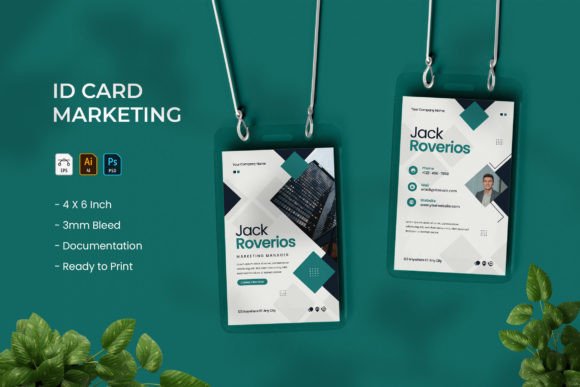
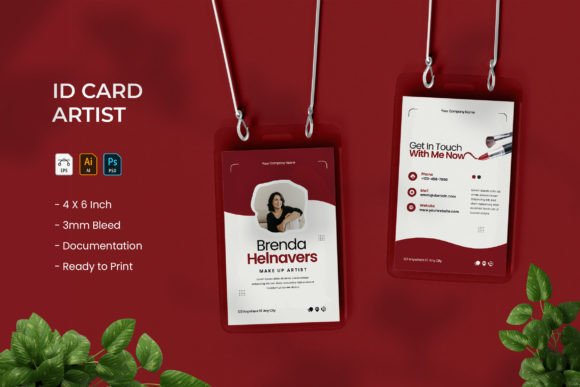
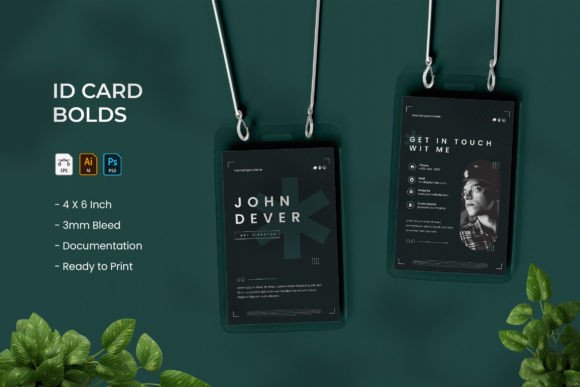
The primary distinction of Bolds - ID Card lies in its dual focus on creative layout and technical accessibility. Many available templates prioritize one aspect at the expense of the other; some offer stunning visuals that are locked behind complex software requirements, while others are easy to edit but lack contemporary design principles. This particular product aims to resolve that tension by providing a fully editable framework that supports both AI (Adobe Illustrator), EPS (Encapsulated PostScript), and PSD (Photoshop) formats.
This multi-format support is significant for workflow efficiency. In a typical corporate environment, different departments may rely on different software ecosystems. A marketing team might prefer vector-based editing in Illustrator to ensure crisp scalability, whereas a communications department might work more comfortably in Photoshop for raster adjustments. By including all three major file types, Bolds - ID Card eliminates the friction often associated with converting files, which can lead to loss of quality or alignment issues. The inclusion of free fonts further streamlines the process, ensuring that the final output matches the designer's vision without requiring additional licensing purchases or font substitution errors.
The Importance of Editability and Organization
One of the most critical factors for any user purchasing a design template is the state of the layers. When evaluating Bolds - ID Card, the emphasis on "well-organized layers" stands out as a practical feature rather than just a marketing claim. In professional design, unorganized files can be a nightmare to navigate, forcing users to spend excessive time locating specific elements like logos, text fields, or background graphics.
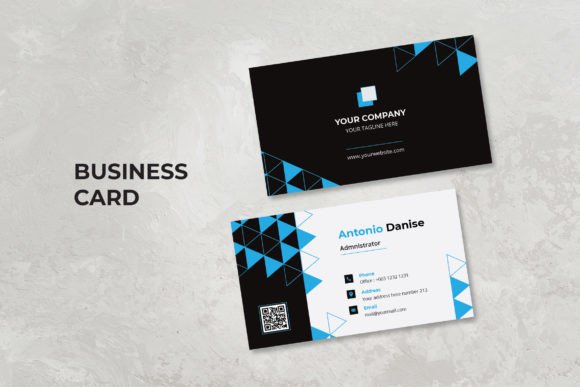
A logically structured file allows for rapid customization. Whether a user needs to swap a company logo, update contact information, or alter color schemes to match a rebranding initiative, the ability to isolate these elements quickly is essential. The 4 x 6 inch size specification aligns with standard dimensions for many corporate identification pieces, though it also serves effectively as a business card format. This versatility means the same design concept can be adapted for internal staff badges, client welcome kits, or promotional giveaways without requiring a complete redesign from scratch.
Comparative Analysis: Design Philosophy and Technical Standards
To make an informed decision, it is helpful to compare Bolds - ID Card against the general categories of design resources available. The market is saturated with two distinct types of products: static image files and rigid templates. Static images offer little room for modification, requiring a designer to recreate the entire layout if changes are needed. Conversely, rigid templates often lock content into fixed grids that do not accommodate varying amounts of text or unique branding assets.
- Standard Image Templates: These are often low-resolution and cannot be scaled up for high-quality printing. They lack the layer separation necessary for professional editing.
- Complex Vector Suites: While powerful, these often require advanced knowledge of pathfinding and typography tools, making them unsuitable for quick administrative updates.
- Bolds - ID Card Approach: This option sits in the middle ground, offering the precision of vector and raster files combined with a user-friendly interface that assumes a moderate level of familiarity with design software.
The technical specifications provided, such as CMYK color mode and 300 DPI resolution, are the gold standards for print production. Many consumer-grade templates default to RGB (the screen standard), which can result in dull or shifted colors when printed. By delivering files pre-configured for CMYK 300 DPI, Bolds - ID Card ensures that the physical output will match the digital preview. This reduces the risk of costly reprinting errors, a common pain point for organizations managing large batches of identification materials.
Strategic Use Cases and Decision Factors
Selecting the right design resource depends heavily on the specific goals of the organization. There is no single "best" option; rather, there is the best fit for a particular scenario. Understanding these nuances helps clarify when Bolds - ID Card is the appropriate choice and when alternative solutions might be more suitable.
Ideal Scenarios for Implementation
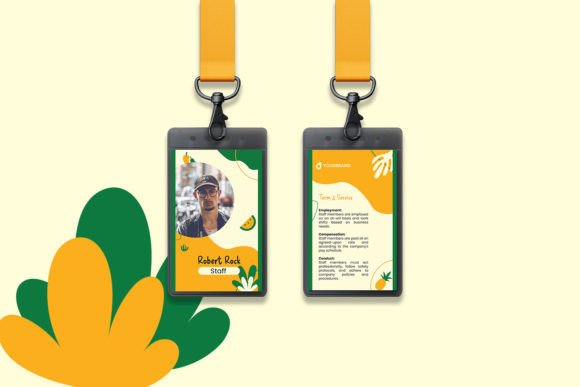
The strengths of this product make it particularly well-suited for medium-to-large enterprises that need consistency across multiple locations. For instance, a company with several branches needing identical staff IDs can utilize the modifiable nature of the file to input local data while maintaining a unified brand look. Similarly, for event organizers creating temporary passes, the ability to quickly duplicate the file and modify text fields allows for efficient turnaround times.
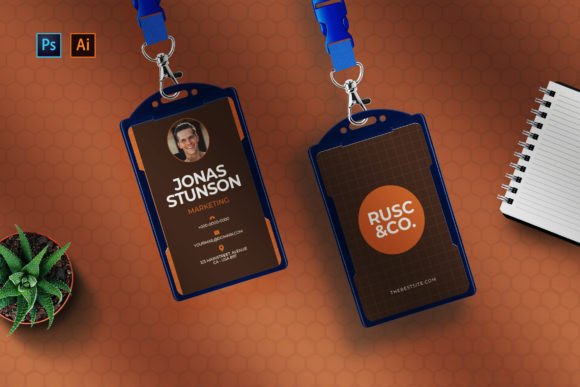
The "modern concept" mentioned in the design description addresses the current trend away from cluttered, text-heavy cards toward cleaner, minimalist aesthetics. If a business is looking to refresh its image and move away from traditional, stiff layouts, this template provides a fresh starting point. The emphasis on a "creative layout" suggests that the design incorporates negative space and balanced typography, which tends to leave a more memorable impression on potential clients than overcrowded designs.
Limitations and Considerations
However, it is important to acknowledge the limitations inherent in using pre-made templates. While Bolds - ID Card is highly customizable, it does not generate a unique design from scratch. Organizations seeking a completely bespoke identity that has never been seen before might find that even a modified template carries the subtle imprint of a generic structure. In such cases, hiring a dedicated graphic designer to create a custom vector suite from zero would be the superior path, albeit at a higher cost and longer timeline.
Additionally, the requirement for Adobe Creative Cloud applications (AI, PSD) presents a barrier for users who rely solely on open-source or web-based editors. While alternatives exist for opening these files, they may not support all the specific layer effects or smart object functionalities that the original creator intended. Users must assess their existing software stack before committing to this resource.
Evaluating the Total Cost of Ownership
When comparing design resources, the purchase price is only one component of the total cost. The "hidden" costs include the time spent learning the file structure, the cost of font licenses, and the waste generated by printing errors. Bolds - ID Card attempts to mitigate these hidden costs through its documentation and included "Read Me" files. These resources guide the user through the setup process, reducing the learning curve.
Furthermore, the inclusion of free fonts removes a recurring expense. Many premium templates charge extra for proprietary typefaces or require the user to source their own, which can lead to compatibility issues if the chosen font is not installed correctly. By bundling the necessary typography, the provider ensures a seamless workflow. This attention to detail reflects a commitment to E-E-A-T (Experience, Expertise, Authoritativeness, and Trustworthiness) in the context of digital products, signaling that the creators understand the practical challenges faced by their users.
Making the Final Choice
The decision to adopt Bolds - ID Card ultimately rests on the balance between speed, cost, and design quality. For organizations that need a professional, modern look without the budget or time for a full-scale custom design project, this template offers a compelling value proposition. Its robust file formats, adherence to print standards, and organized structure make it a reliable tool for producing corporate identification pieces.
Conversely, if the priority is absolute uniqueness or if the organization lacks the technical capacity to manipulate layered vector and raster files, a simpler solution or a custom service might be preferable. However, for those willing to invest a small amount of time in customization, the Bolds - ID Card provides a solid foundation for building a strong first impression. It represents a pragmatic approach to design, prioritizing functionality and adaptability while delivering a polished, contemporary aesthetic that resonates with modern audiences.
Ultimately, the effectiveness of any ID card comes down to clarity and presentation. By choosing a resource that respects the technical demands of print production and the creative needs of branding, businesses can ensure their identification materials serve as effective ambassadors for their brand identity.