Bronner - ID Card: A Strategic Evaluation for Professional Branding
In the competitive landscape of professional networking and personal branding, the physical representation of one's identity remains a critical touchpoint. The Bronner - ID Card template has emerged as a notable option for individuals and businesses seeking to establish a polished visual presence. This resource is designed specifically for those who require a balance between aesthetic appeal and functional utility. Unlike generic templates that prioritize quantity over quality, Bronner - ID Card focuses on delivering a distinct visual language suitable for creative industries such as fashion, lifestyle, photography, and architecture.
The core value proposition of this template lies in its ability to transform standard contact information into a statement piece. By leveraging strong typography and modern, simple layouts, it addresses a common pain point in the market: the struggle to look professional without appearing cluttered or overly complex. For professionals aged 20 to 50 who are actively comparing design resources, understanding the specific capabilities and limitations of Bronner - ID Card is essential before making a purchase decision.
Design Philosophy and Visual Distinctiveness
What sets Bronner - ID Card apart from many other available options is its adherence to a minimalist yet impactful design philosophy. In an era where digital interfaces often dominate, a physical card must work harder to leave a lasting impression. This template achieves that by utilizing high-contrast fonts and clean lines that guide the viewer's eye naturally across the page. The layout is intentionally unique, avoiding the repetitive grid structures found in mass-produced stationery.
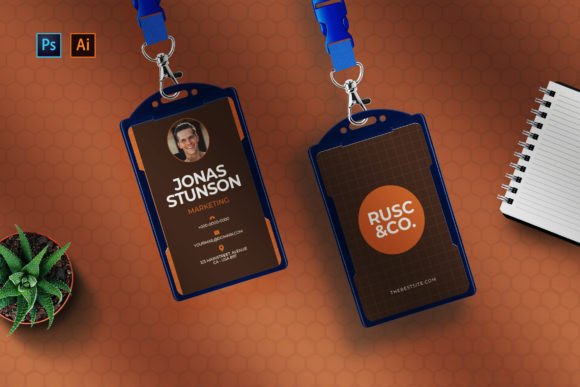
The template supports portrait formatting, which offers a different ergonomic experience compared to the traditional horizontal card. This vertical orientation can be particularly advantageous for professions where the individual wants to showcase a portfolio image or a signature logo prominently at the top. For photographers and architects, the ability to integrate imagery seamlessly into the design is not just a feature; it is a necessity. The template accommodates these needs by providing ample space for personal pictures while maintaining the structural integrity of the text hierarchy.
Comparative Analysis of Layout Styles
- Bronner - ID Card: Focuses on modern minimalism with a strong emphasis on typography and negative space. Ideal for creative fields requiring a sophisticated, uncluttered look.
- Traditional Corporate Templates: Often rely on rigid grids, heavy use of borders, and standard serif fonts. While safe, they may lack the "unique" factor required for lifestyle or fashion brands.
- Graphic-Heavy Alternatives: Prioritize background images and complex graphics, which can sometimes obscure contact information and reduce readability.
When evaluating Bronner - ID Card against these alternatives, the tradeoff becomes clear. You gain a more distinctive brand voice but may need to ensure your content is concise enough to fit the minimalist aesthetic. The design does not hide behind excessive decoration; instead, it relies on the strength of the message and the quality of the user's own content.
Technical Specifications and Workflow Efficiency
One of the most significant factors for users in this demographic is the ease of customization. Time is a valuable resource, and few professionals have the luxury of hiring a graphic designer for every new business card iteration. Bronner - ID Card addresses this by offering fully editable files in industry-standard formats including AI (Adobe Illustrator), EPS, and PSD (Photoshop). This multi-format support ensures compatibility regardless of the software proficiency level of the user.
The template includes well-organized layers, a technical detail that significantly impacts the user experience. In complex design files, unorganized layers can make even minor edits frustrating. Here, the structure allows users to easily isolate specific elements—such as changing a phone number, swapping a logo, or adjusting a photo—without disrupting the rest of the design. The inclusion of help files further reduces the learning curve, providing guidance for those who might be less familiar with vector editing tools.
Print Readiness and Quality Standards
For a physical product to be effective, it must meet rigorous printing standards. Bronner - ID Card is delivered as print-ready files with the following specifications:
- Resolution: 300 DPI, ensuring crisp text and sharp image reproduction.
- Color Mode: CMYK, optimized for commercial offset and digital printing processes.
- Dimensions: Standard 4 x 6 Inch format, fitting standard business card stock and holders.
- File Structure: Two-page layout, allowing for front-and-back consistency or dual-sided messaging.
These specifications align with industry best practices, meaning users can send the file directly to a printer with confidence. However, it is important to note that while the template provides the structure, the final output quality also depends on the printer used and the source quality of the uploaded images. Users should be aware that adding low-resolution photos can degrade the professional appearance of the final card, regardless of how well the template is designed.
Evaluating Suitability: When to Choose Bronner - ID Card
Determining whether Bronner - ID Card is the right choice requires a honest assessment of one's professional needs and goals. It is not a one-size-fits-all solution, and understanding its ideal use cases helps avoid potential disappointment.
Best-Fit Scenarios:
This template is exceptionally well-suited for creatives and consultants whose work is visually driven. Fashion designers, interior stylists, and architectural firms benefit from the template's ability to highlight visual assets. The modern font choices and simple layouts allow the work itself to take center stage, rather than competing with busy backgrounds. Additionally, lifestyle bloggers and influencers who need to maintain a cohesive brand image across social media and physical materials will find the versatility of the AI and PSD files highly beneficial.
Potential Limitations:
Conversely, there are scenarios where this template might not be the optimal choice. If a user operates in a highly conservative industry, such as law or finance, the modern and unique aesthetic of Bronner - ID Card might feel too avant-garde. In these sectors, traditional layouts with established typographic conventions often convey trust and stability more effectively. Furthermore, while the template is easy to customize, it still requires a basic level of design literacy. Users who are completely unfamiliar with layer management or vector editing may find the process steeper than using a drag-and-drop online builder, despite the included help files.
Decision Factors and Final Considerations
When comparing Bronner - ID Card to other resources, the decision often comes down to a balance between flexibility and effort. Online builders offer speed but often limit design control. Traditional agencies offer custom solutions but come with high costs and long turnaround times. Bronner - ID Card sits in the middle ground, offering professional-grade results with a DIY approach.
The inclusion of free fonts is another practical advantage. Licensing issues can complicate professional projects, and having pre-approved, compatible fonts eliminates the risk of legal complications or unexpected costs. The two-page layout also provides a strategic advantage; it allows for the separation of primary contact details from secondary information like social media handles, website URLs, or a brief bio, keeping the design clean and readable.
Ultimately, the effectiveness of Bronner - ID Card depends on the user's commitment to the process. The template provides the framework, but the professional outcome relies on the quality of the added pictures and words. It is a tool that rewards attention to detail. For those willing to invest the time to curate their content and adjust the layers correctly, it offers a robust platform for creating a memorable professional identity.
In summary, Bronner - ID Card represents a solid investment for professionals seeking a modern, adaptable, and print-ready solution. Its strengths in organization, format variety, and visual clarity make it a strong contender in the crowded market of design templates. However, prospective users should weigh their specific industry requirements and technical comfort levels before committing. For the right audience, it serves as an efficient bridge between conceptual branding and tangible, high-quality printed material.